
£60.01
Add to Cart
Variegated Leopard Lily Flower Rare Plant Live Rare Plant Exotic For Your Garden
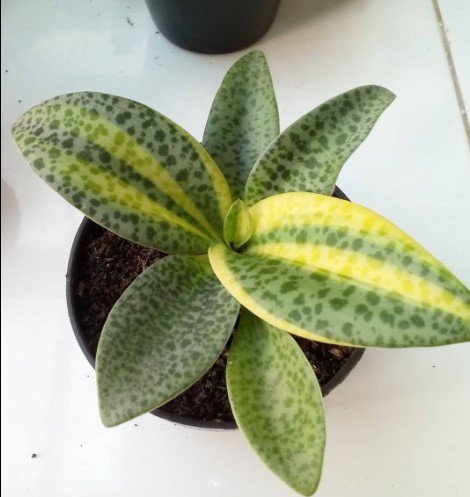
Variegated Leopard Lily Flower Rare Plant Live Rare Plant Exotic For Your Garden
**Variegated Leopard Lily**, often referred to as ***Drynaria quercifolia* 'Variegata'* or simply **Variegated Drynaria**, is a captivating fern-like plant known for its unique and eye-catching foliage. Here's a comprehensive guide to caring for this attractive plant:
### **Appearance**
- **Leaves**: The Variegated Leopard Lily features large, deeply lobed leaves with a distinctive variegation pattern. The leaves are often green with white or cream-colored margins or spots, resembling a leopard's spots. This variegation gives the plant its distinctive appearance and makes it stand out.
- **Growth**: The plant grows in a rosette formation and can reach up to 1-2 feet (30-60 cm) in height and width. It has a spreading habit, making it a great choice for hanging baskets or as a ground cover.
### **Care**
- **Light**: The Variegated Leopard Lily prefers bright, indirect light. It can tolerate some direct sunlight but may need protection during the hottest part of the day to avoid leaf burn. For indoor plants, a spot near a bright window with filtered light is ideal.
- **Water**: Keep the soil consistently moist but not soggy. Water the plant when the top inch of soil feels dry. It’s important to avoid letting the plant sit in standing water, as this can lead to root rot. Reduce watering during the winter months when the plant’s growth slows down.
- **Humidity**: This plant thrives in higher humidity levels. Regular misting or placing the plant on a humidity tray can help, especially in dry indoor environments. It prefers humidity levels above 50%.
- **Temperature**: It does well in temperatures between 65-75°F (18-24°C). Protect it from cold drafts and temperatures below 50°F (10°C).
### **Soil**
- **Soil**: Use a well-draining potting mix. A standard houseplant mix can work, but adding perlite or orchid bark can improve drainage and mimic the plant’s natural epiphytic habitat. The soil should remain consistently moist but should not be soggy.
### **Propagation**
- **Offsets**: The plant produces offsets or “pups” that can be separated and potted up individually. Allow the cut ends to callous over for a day or two before planting to prevent rot.
- **Division**: During repotting, you can also divide the root ball into smaller sections, each with roots and foliage. Replant these sections in new pots.
### **Maintenance**
- **Cleaning**: Wipe the leaves gently with a damp cloth to remove dust and keep the plant looking its best. Be careful not to over-wet the foliage, as excessive moisture can lead to fungal issues.
- **Pests**: The Variegated Leopard Lily is relatively pest-resistant but can occasionally attract pests like mealybugs, spider mites, or scale. Regularly inspect the plant and treat any infestations with insecticidal soap or neem oil if needed.
### **Common Issues**
- **Yellowing Leaves**: Yellow leaves can indicate overwatering or poor drainage. Ensure the soil dries slightly between waterings and that the pot has adequate drainage.
- **Leaf Burn**: If the plant develops brown or scorched patches on the leaves, it may be receiving too much direct sunlight. Move the plant to a location with filtered light or provide some shade.
### **Toxicity**
- **Toxicity**: *Drynaria quercifolia* is generally considered non-toxic to pets and humans. It is a safe choice for households with animals and children.
**Variegated Leopard Lily** adds a touch of exotic beauty and intrigue to any plant collection. With its distinctive foliage and relatively straightforward care requirements, it’s an excellent choice for both novice and experienced plant enthusiasts.
In the photo is not factual item...
The size live plant item depends on stock...
Thank you
**Variegated Leopard Lily**, often referred to as ***Drynaria quercifolia* 'Variegata'* or simply **Variegated Drynaria**, is a captivating fern-like plant known for its unique and eye-catching foliage. Here's a comprehensive guide to caring for this attractive plant:
### **Appearance**
- **Leaves**: The Variegated Leopard Lily features large, deeply lobed leaves with a distinctive variegation pattern. The leaves are often green with white or cream-colored margins or spots, resembling a leopard's spots. This variegation gives the plant its distinctive appearance and makes it stand out.
- **Growth**: The plant grows in a rosette formation and can reach up to 1-2 feet (30-60 cm) in height and width. It has a spreading habit, making it a great choice for hanging baskets or as a ground cover.
### **Care**
- **Light**: The Variegated Leopard Lily prefers bright, indirect light. It can tolerate some direct sunlight but may need protection during the hottest part of the day to avoid leaf burn. For indoor plants, a spot near a bright window with filtered light is ideal.
- **Water**: Keep the soil consistently moist but not soggy. Water the plant when the top inch of soil feels dry. It’s important to avoid letting the plant sit in standing water, as this can lead to root rot. Reduce watering during the winter months when the plant’s growth slows down.
- **Humidity**: This plant thrives in higher humidity levels. Regular misting or placing the plant on a humidity tray can help, especially in dry indoor environments. It prefers humidity levels above 50%.
- **Temperature**: It does well in temperatures between 65-75°F (18-24°C). Protect it from cold drafts and temperatures below 50°F (10°C).
### **Soil**
- **Soil**: Use a well-draining potting mix. A standard houseplant mix can work, but adding perlite or orchid bark can improve drainage and mimic the plant’s natural epiphytic habitat. The soil should remain consistently moist but should not be soggy.
### **Propagation**
- **Offsets**: The plant produces offsets or “pups” that can be separated and potted up individually. Allow the cut ends to callous over for a day or two before planting to prevent rot.
- **Division**: During repotting, you can also divide the root ball into smaller sections, each with roots and foliage. Replant these sections in new pots.
### **Maintenance**
- **Cleaning**: Wipe the leaves gently with a damp cloth to remove dust and keep the plant looking its best. Be careful not to over-wet the foliage, as excessive moisture can lead to fungal issues.
- **Pests**: The Variegated Leopard Lily is relatively pest-resistant but can occasionally attract pests like mealybugs, spider mites, or scale. Regularly inspect the plant and treat any infestations with insecticidal soap or neem oil if needed.
### **Common Issues**
- **Yellowing Leaves**: Yellow leaves can indicate overwatering or poor drainage. Ensure the soil dries slightly between waterings and that the pot has adequate drainage.
- **Leaf Burn**: If the plant develops brown or scorched patches on the leaves, it may be receiving too much direct sunlight. Move the plant to a location with filtered light or provide some shade.
### **Toxicity**
- **Toxicity**: *Drynaria quercifolia* is generally considered non-toxic to pets and humans. It is a safe choice for households with animals and children.
**Variegated Leopard Lily** adds a touch of exotic beauty and intrigue to any plant collection. With its distinctive foliage and relatively straightforward care requirements, it’s an excellent choice for both novice and experienced plant enthusiasts.
In the photo is not factual item...
The size live plant item depends on stock...
Thank you


 ID, DI Yogyakarta